
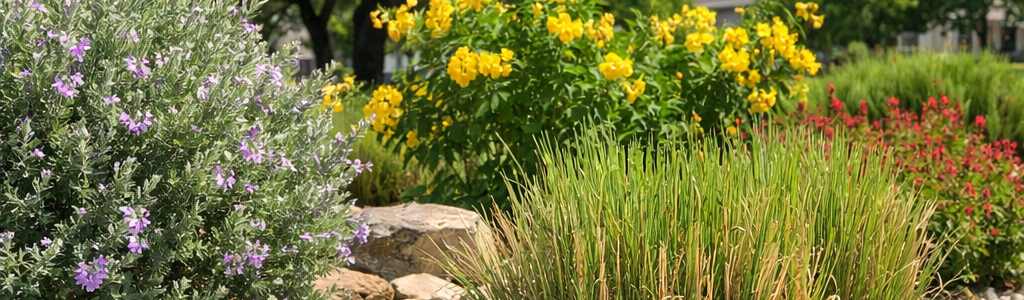
Native Plants in the San Antonio Area That Benefit From March Maintenance
March is when San Antonio landscapes start shifting fast—warmer days, longer sunlight, and native plants waking up or pushing new growth. That makes March the ideal “transition month”: you can still prune and clean up winter damage, but you’ll also start focusing on spring growth support, weed prevention, and smart watering before the real heat hits.
At DNS Landscaping, we help homeowners across San Antonio, Alamo Heights, Stone Oak, Helotes, and surrounding Hill Country communities keep native plants healthy through every season. Below are some of the most common San Antonio–area native plants that benefit from March maintenance—and exactly what to do now to keep them thriving.
Why March Is Ideal for Native Plant Maintenance in San Antonio
San Antonio’s early spring can move quickly. March offers:
-
Warming temps that encourage new growth
-
Less risk of hard freezes (compared to earlier winter)
-
A prime window for shaping shrubs and perennials before spring flush
-
Perfect timing for weed prevention before summer invaders take over
-
An opportunity to fine-tune irrigation for the season ahead
This is when “small, smart tasks” create a big payoff in late spring and summer.
Native Texas Plants That Benefit From March Maintenance
Texas Sage (Cenizo)
Why March matters:
Texas Sage often begins new growth in early spring, so March is great for refining shape after winter.
March maintenance tips:
-
Light selective pruning to shape and remove dead tips
-
Remove frost-damaged or brittle branches
-
Avoid heavy shearing—keep the plant’s natural form and airflow
Local note: Cenizo is a xeriscape favorite in San Antonio thanks to drought tolerance and those signature purple blooms after rain.
Esperanza (Yellow Bells)
Why March matters:
Esperanza is waking up now. March is the time to set it up for strong stems and better blooms.
March maintenance tips:
-
Cut back remaining winter dieback and old woody growth
-
Remove weak or crossing stems to promote strong structure
-
Clear mulch and debris away from the crown to prevent rot
Done right, Esperanza responds with fuller growth and more blooms as temperatures climb.
Gulf Muhly Grass
Why March matters:
If you didn’t cut it back in late winter, early March is your last clean window before fresh blades take over.
March maintenance tips:
-
Cut back to about 4–6 inches before new growth fully emerges
-
Remove dead blades and seed heads
-
Divide or thin if clumps are overcrowded
In Stone Oak and Northwest San Antonio, Muhly is common in mass plantings—cleanup now keeps beds crisp all season.
Live Oak Trees
Why March matters:
Late winter pruning is still common, but early March can be a practical time to finish careful pruning before full spring growth ramps up.
March maintenance tips:
-
Remove dead, rubbing, or crossing branches
-
Do light structural pruning on young trees
-
Avoid over-pruning—keep stress low heading into spring growth
If you’re pruning Live Oaks, prioritize clean cuts and proper timing for tree health.
Blackfoot Daisy
Why March matters:
Blackfoot Daisy starts blooming as spring settles in. March is ideal for tidying and shaping without setting it back.
March maintenance tips:
-
Lightly trim to shape and encourage fresh flowering growth
-
Remove dead or woody stems
-
Improve airflow around the plant (especially in tighter beds)
This native thrives in rock gardens, limestone soils, and low-water landscapes across the region.
Autumn Sage (Salvia greggii)
Why March matters:
Autumn Sage responds beautifully to spring pruning and quickly rewards you with pollinator-friendly blooms.
March maintenance tips:
-
Cut back by about one-third to encourage dense growth
-
Remove frost-damaged stems
-
Avoid cutting deep into older woody sections
It’s one of the best plants for butterflies and hummingbirds in South Texas landscapes.
Additional March Tasks for Native Landscapes
March is also a great time to:
-
Refresh mulch (keep it off stems and crowns) to conserve moisture before heat arrives
-
Remove spring weeds early (this is huge for long-term maintenance)
-
Check irrigation coverage and fix spray issues before peak season
-
Improve drainage in problem areas after winter rains
-
Plan spring planting upgrades (smart spacing now prevents summer stress)
Trust DNS Landscaping for Native Plant Care in San Antonio
Native plants are low-maintenance—but not no-maintenance. Proper March care helps native landscapes grow cleaner, bloom better, and handle San Antonio’s long hot season with fewer problems.
At DNS Landscaping, we specialize in:
-
Native plant maintenance
-
Seasonal pruning and shaping
-
Xeriscaping and water-smart landscapes
-
Residential and commercial landscaping in San Antonio
Proudly serving San Antonio and surrounding communities.
Ready to Prepare Your Landscape for Spring?
Schedule your March landscaping consultation with DNS Landscaping today and give your native plants the care they need to thrive all year long.
FAQs: Native Plant Maintenance in San Antonio in March
1) Is March a good time to prune native plants in San Antonio?
Yes. March is ideal for light pruning and cleanup because many natives are starting new growth, and shaping now helps plants develop stronger spring structure.
2) What native plants should I cut back in March in South Texas?
Texas Sage, Esperanza, Autumn Sage, Blackfoot Daisy, and (if not done earlier) Gulf Muhly often benefit from early spring cleanup or shaping.
3) Should I prune Texas Sage (Cenizo) in March?
Often, yes—especially to remove winter damage and lightly shape. Avoid heavy shearing; selective pruning keeps it healthier and more natural-looking.
4) When should I cut back Gulf Muhly in San Antonio?
Late winter through early March is typically best. Cut back before new blades are fully growing to avoid damaging fresh growth.
5) Can I cut Esperanza back hard in March?
In many San Antonio landscapes, yes—especially if it died back from cold. Just avoid cutting into weak, hollow, or severely stressed stems if new growth is already pushing.
6) Will pruning in March cause damage if there’s a late cold snap?
It can if you prune aggressively right before a sudden freeze. In March, pruning is generally safe, but it’s smart to avoid heavy pruning if a strong cold front is forecast.
7) Should I fertilize native plants in March?
Sometimes, but not always. Many natives don’t need heavy fertilizer. Focus on soil health, mulch, and selective feeding only when appropriate for the plant and soil conditions.
8) What else should I do for my native landscape in March?
-
Refresh mulch
-
Remove spring weeds early
-
Check drainage and irrigation
-
Prune and shape plants as spring growth begins
-
Plan spring planting and upgrades
9) Do native plants really need maintenance?
Yes. They’re lower maintenance, but seasonal cleanup, pruning, and spacing help them handle San Antonio heat and look better year-round.
10) Do you provide native plant maintenance in San Antonio and nearby areas?
Yes. DNS Landscaping provides seasonal pruning, native plant maintenance, and landscape care across San Antonio, including Alamo Heights, Stone Oak, Helotes, and nearby communities.