
Drainage and Irrigation Planning Before the Next Growing Season
Spring landscape updates start with more than choosing plants. Before adding flowerbeds, replacing turf, or installing a pathway, consider where water collects and how your irrigation system serves the yard.
Fall and winter offer an opportunity to review problems you noticed throughout the year. For homeowners considering drainage and irrigation planning in San Antonio, these observations can help shape a more practical landscape plan.
Review Drainage Before Adding New Features
New plants or decorative stone may change how an area looks, but they do not necessarily address why it stays wet. Before updating beds, patios, pathways, or lawn areas, document what happens after rain.
Look for:
- Puddles that remain after surrounding areas have dried.
- Mulch or soil washing onto walkways.
- Erosion along planting beds or slopes.
- Water collecting beside patios or near the house.
- Areas that repeatedly feel soggy.
Take photos and note how long the water remains. These details can help a professional evaluate the problem.
The appropriate solution depends on the property’s slopes, soil, water sources, and available drainage outlets. A French drain, grading change, or other improvement should follow an assessment; there is no single drainage fix for every yard.
Learn more about DNS Landscaping’s drainage services.
Check Irrigation Before Choosing Plants
A landscape refresh can change where water is needed. Expanding a bed, removing turf, or adding a path may affect sprinkler coverage and access to irrigation components.
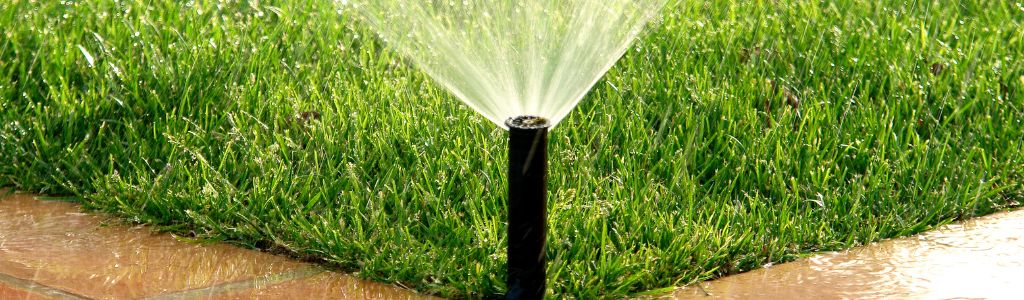
Before finalizing planting plans, have the system reviewed for damaged heads, leaks, valve problems, uneven coverage, and controller settings. DNS Landscaping provides sprinkler repair, testing, and adjustment services, including work on heads, valves, leaks, and controllers.
Discuss how proposed plants will be watered during establishment and as they mature. Grouping plants with similar watering needs can make irrigation planning more manageable.
Revisit Seasonal Watering Settings
An irrigation schedule that suited summer may not suit cooler weather. SAWS notes that landscape water needs generally decrease in fall and recommends checking controller settings, broken heads, leaks, and overspray.
Review watering needs according to rainfall, soil moisture, plant type, and establishment stage. Avoid increasing watering across the entire yard simply because one area looks dry; that spot may need a closer evaluation.
Before scheduling irrigation, check the current SAWS watering rules or your water provider’s requirements.
Connect Water Management With Landscape Design
Drainage, irrigation, planting beds, and hardscape work best when considered together. A new walkway can affect water movement, while a larger planting bed may require changes to sprinkler placement.
During planning, discuss:
- Where rainwater enters, travels through, and leaves the yard.
- Which plants and lawn areas you want to keep.
- Where new paths, patios, or borders are proposed.
- How irrigation will reach each planting area.
- What maintenance the finished landscape will require.
If you are considering xeriscaping, include plant selection and irrigation in the conversation from the beginning. Water-wise goals depend on the complete design and ongoing care.
Bring a Clear Priority List to Your Consultation
You do not need a finished design before asking for help. Bring photos, a short list of recurring problems, and your goals for the space.
Separate immediate concerns, such as a suspected leak or recurring pooling, from desired improvements like new beds or stone borders. This helps guide a discussion about project scope, budget, and the order of work.
Plan Ahead With DNS Landscaping
Before the next growing season, give your yard’s water needs a place in the design conversation. DNS Landscaping offers landscape design, drainage improvements, sprinkler services, xeriscaping, tree care, and masonry services in the San Antonio area.
Book a consultation with DNS Landscaping to review drainage, irrigation, planting beds, and hardscape goals before moving forward with your landscape updates.
Frequently Asked Questions
Why plan drainage before spring landscaping?
Reviewing drainage first helps identify areas where pooling or erosion could affect new plants, turf, patios, or pathways. An assessment can guide the layout and help determine which improvements should come first.
Should irrigation be checked before planting?
Yes. An irrigation review can identify leaks, damaged heads, coverage gaps, and settings that may need adjustment. It also helps you plan how new and existing plants will receive water.
Can DNS Landscaping help coordinate multiple landscape services?
Yes. DNS Landscaping offers landscape design, drainage improvements, sprinkler repair and installation, xeriscaping, tree care, retaining walls, and masonry. Discuss your priorities during a consultation to determine the appropriate scope for your property.