
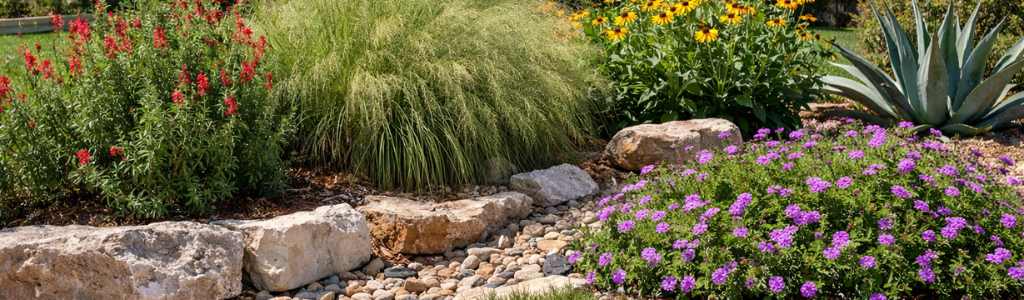
Top Drought-Tolerant Plants for San Antonio Yards to Install Before Summer
In San Antonio, a beautiful yard does not have to mean high water use.
With long stretches of heat, ongoing drought conditions, and current Stage 3 watering restrictions from SAWS, more homeowners are looking for plants that can handle South Texas conditions without constant irrigation. SAWS says landscape watering with irrigation systems is limited to once a week on your designated day, while drip irrigation may run up to two times per week on Monday and Friday during watering hours.
That is one reason drought-tolerant landscaping has become such a smart investment in San Antonio. It can lower outdoor water use, reduce maintenance, and still deliver color, texture, and curb appeal.
At DNS Landscaping, we help homeowners choose plants that are not just attractive, but also practical for our region. Below are some of the best drought-tolerant plant types and landscape choices to consider before summer heat sets in.
Why drought-tolerant landscaping makes sense in San Antonio
San Antonio homeowners are dealing with a very specific set of challenges:
- Extended heat
- Periods of limited rainfall
- Watering restrictions
- High sun exposure
- Soil conditions that can vary widely from yard to yard
SAWS’ Garden Style San Antonio program specifically promotes transforming traditional lawns into more water-efficient landscapes using drought-tolerant plants.
That is not just a trend. It is a practical response to the local climate.
A drought-tolerant yard can help you:
- Reduce water waste
- Lower maintenance demands
- Improve resilience during hot months
- Add long-lasting visual interest
- Depend less on large turf areas
What to look for in drought-tolerant plants
Not every “tough” plant is automatically right for every San Antonio yard. The best choices usually share a few traits:
- Adapted to full sun and heat
- Able to handle dry periods once established
- Well-suited to the soil and drainage conditions on site
- Not overly dependent on frequent irrigation
- Strong performers in local landscapes
When designing a water-smart yard, plant selection should work together with irrigation, mulch, grading, and bed design.
1. Autumn Sage
Autumn Sage is one of the most dependable performers in San Antonio-style water-saving gardens. Garden Style San Antonio describes it as a “workhorse” in the watersaver garden.
Why homeowners like it:
- Handles heat well
- Produces long-lasting color
- Works in beds, borders, and accent plantings
- Adds pollinator interest
It is a strong option for homeowners who want low-water color without demanding upkeep.
2. Bamboo Muhly
For texture and movement, Bamboo Muhly is an excellent drought-tolerant ornamental grass. Garden Style San Antonio lists it as one of the most drought-tolerant large bunchgrasses.
Why it works well:
- Soft, airy form
- Excellent contrast against stone, mulch, or structural plants
- Useful in modern and naturalistic landscape designs
- Good fit for low-water planting schemes
This is a great choice if you want a yard that feels softer and more layered without increasing irrigation demand.
3. Native and adapted flowering perennials
A smart San Antonio landscape often mixes seasonal color with durable perennials that can handle long, hot stretches. Native and adapted flowering plants can provide visual appeal while fitting better into water-conscious designs than traditional high-water annual displays.
These plants are especially useful in:
- Front entry beds
- Pollinator-focused landscapes
- Xeriscape conversions
- Accent planting around patios and walkways
4. Drought-tolerant ornamental grasses
Beyond Bamboo Muhly, ornamental grasses as a group are often excellent choices for San Antonio landscapes. They add structure, soften hard edges, and typically work well in designs built around reduced irrigation.
They are especially effective for:
- Slope areas
- Transition zones
- Modern landscapes
- Large beds that need movement and repetition
5. Heat-tolerant shrubs for foundation and privacy planting
Shrubs are often the backbone of a landscape, but in San Antonio they need to do more than look good. They need to handle reflected heat, dry periods, and variable watering.
A good drought-tolerant shrub selection can help reduce the need for constant replacement and reshape a yard away from high-maintenance planting.
6. Shade trees placed strategically
While many homeowners think first about flowers and shrubs, trees are one of the most valuable long-term water-smart investments in a landscape. Properly placed shade trees can help cool the yard, reduce stress on surrounding plants, and improve outdoor comfort.
Not every tree is right for every lot, but thoughtful tree placement can make a major difference in both landscape performance and curb appeal.
7. Groundcovers and bed fillers that reduce exposed soil
Large areas of bare soil dry out quickly and often encourage weeds. Drought-tolerant groundcovers and filler plants help reduce evaporation, soften the look of planting beds, and create a more finished appearance.
Paired with mulch, they can become an important part of a lower-water landscape plan.
Why drip irrigation pairs well with drought-tolerant planting
Plant choice matters, but so does how water is delivered.
SAWS’ current rules allow drip irrigation more flexibility than traditional spray irrigation under Stage 3 restrictions, with drip systems permitted up to two times per week on Monday and Friday during watering hours. For many drought-tolerant landscapes, drip irrigation is a smart fit because it applies water closer to the root zone and can support more targeted watering.
That does not mean every yard should have the same setup, but many San Antonio homeowners benefit from pairing low-water plants with more efficient irrigation methods.
A better alternative to turf-heavy landscapes
Traditional lawns can still have a place in some yards, but large turf-heavy landscapes usually require more water, more mowing, and more upkeep.
SAWS’ Garden Style San Antonio program encourages residents to transform lawns into more resilient, water-saving landscapes with drought-tolerant plants.
A more balanced yard might include:
- Smaller, more intentional lawn areas
- Mulched planting beds
- Drought-tolerant perennials and grasses
- Structural shrubs
- Accent trees
- Efficient irrigation
That combination often looks more custom, more modern, and more sustainable for San Antonio conditions.
How DNS Landscaping helps San Antonio homeowners choose the right plants
The best drought-tolerant landscape is not built from a random plant list. It should be designed around:
- Sun exposure
- Drainage
- Existing irrigation
- Bed size and spacing
- Maintenance goals
- The look you want for your home
At DNS Landscaping, we help homeowners create yards that are both attractive and practical for San Antonio’s climate. Whether you want to refresh a few beds or redesign a turf-heavy front yard, choosing the right plants early in the season can set you up for better results before the most intense summer weather arrives.
Final thoughts
Drought-tolerant plants are one of the smartest upgrades a San Antonio homeowner can make. With current watering restrictions, long-term drought pressure, and the reality of South Texas heat, a water-smart landscape is not just easier to manage — it is better suited to where we live. SAWS continues to promote water-saving landscape design, and its current rules make efficient outdoor water use especially important.
If you are planning a yard refresh before summer, now is a great time to choose plants that will thrive with less water.
DNS Landscaping can help you design and install a drought-tolerant landscape that fits your home, style, and San Antonio conditions.
FAQ
What are the best drought-tolerant plants for San Antonio yards?
Some of the best drought-tolerant options for San Antonio include Autumn Sage, Bamboo Muhly, ornamental grasses, native flowering perennials, heat-tolerant shrubs, and carefully selected shade trees. These types of plants are better suited to South Texas heat and lower-water landscapes.
Why are drought-tolerant plants a good choice for San Antonio landscaping?
Drought-tolerant plants are a smart choice because San Antonio homeowners deal with extended heat, limited rainfall, watering restrictions, and strong sun exposure. These plants can help reduce water use, lower maintenance, and improve landscape resilience.
When is the best time to install drought-tolerant plants in San Antonio?
Early spring is a great time to install drought-tolerant plants before the hottest part of summer arrives. Planting earlier in the season gives roots more time to establish before extreme heat sets in.
Can drought-tolerant landscaping still look colorful and attractive?
Yes. A drought-tolerant landscape can still provide color, texture, movement, and curb appeal. Plants like Autumn Sage and ornamental grasses can create a visually appealing yard while using less water.
Is drip irrigation better for drought-tolerant plants?
In many cases, yes. Drip irrigation can be a good match for drought-tolerant planting because it delivers water closer to the root zone and supports more targeted watering than traditional spray systems.
Can I replace part of my lawn with drought-tolerant plants?
Yes. Replacing turf-heavy areas with mulched beds, ornamental grasses, shrubs, perennials, and accent trees can create a more water-smart and lower-maintenance landscape.
Are drought-tolerant plants also low maintenance?
Many drought-tolerant plants are lower maintenance than traditional high-water landscapes, especially once established. They often need less frequent watering and can perform better in local climate conditions.
How do I choose the right drought-tolerant plants for my yard?
The best plant choices depend on sun exposure, drainage, irrigation, bed size, spacing, maintenance goals, and the overall look you want for your home. A well-designed plant selection should fit your specific site conditions.
Can DNS Landscaping help design a drought-tolerant landscape?
Yes. DNS Landscaping can help homeowners choose practical, attractive plants and create a drought-tolerant landscape tailored to San Antonio conditions, home style, and maintenance preferences.