
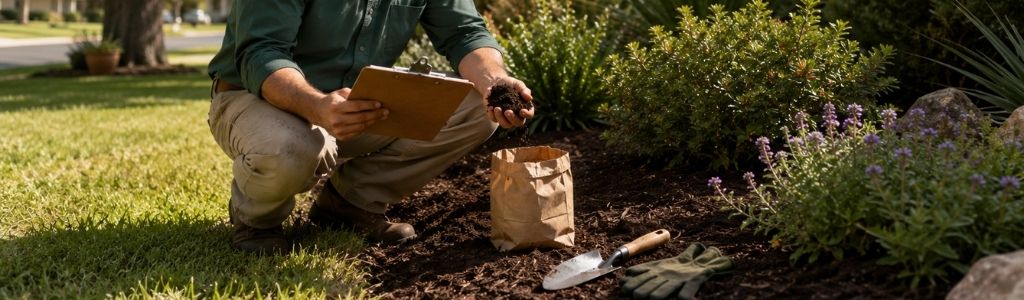
Organic Lawn and Plant Care in Texas Heat: What San Antonio Homeowners Should Know
Late-summer heat can leave San Antonio lawns, flowerbeds, and trees looking stressed. Leaves may wilt, soil can become compacted, and planting beds may lose their clean appearance.
Watering is important, but it is only one part of landscape care. Soil conditions, mulch, nutrients, aeration, plant placement, and maintenance can all influence how a yard responds to Texas heat.
Healthy Landscapes Start With the Soil
Healthy-looking plants begin below the surface. Compacted or poorly performing soil may make it harder for water, air, and nutrients to reach plant roots.
An organic lawn care San Antonio plan may include:
- Organic soil blends
- Mulch
- Organic fertilizers
- Species-appropriate inoculations
- Aeration
- Dethatching
- Plant and soil evaluation
The right combination depends on the lawn or plant species, soil conditions, sun exposure, irrigation, and current signs of stress. Homeowners should avoid applying products without first understanding what the landscape needs.
Mulch Can Support Landscape Beds
Mulch gives flowerbeds a clean, finished appearance while covering exposed soil. It can be used around shrubs, trees, and garden areas as part of a broader plant-care plan.
Before adding mulch, consider:
- The existing depth
- Drainage conditions
- Plant placement
- Irrigation coverage
- Whether mulch is piled against stems or trunks
- The type of material appropriate for the area
Mulch should complement good watering and maintenance practices rather than replace them.
Organic Care Still Requires Planning
“Organic” does not mean that every product is appropriate for every plant or that one treatment will correct every problem. Yellow leaves, brown grass, or wilting can have several possible causes, including heat, watering problems, soil conditions, pests, disease, or poor plant placement.
Before requesting service, document:
- Where plants are struggling
- How much sun the area receives
- Whether the soil stays wet or dries quickly
- When symptoms first appeared
- How the area is currently watered
- Which products have already been applied
This information can help a landscape professional evaluate the property and recommend an appropriate approach.
Look at the Entire Landscape
Effective organic landscaping in San Antonio should consider lawns, flowerbeds, trees, irrigation, drainage, and maintenance together.
For example, adding fertilizer may not address a dry area caused by poor sprinkler coverage. Applying more water may not help a bed that already drains slowly. Aeration or dethatching may be considered for certain lawn conditions, but the appropriate service depends on the site.
A complete landscape evaluation can help identify which areas may benefit from soil care, mulch, fertilization, aeration, or other maintenance.
Ask About Organic Care Options
DNS Landscaping lists organic solutions that include organic soil blends, mulches, fertilizers, inoculations, fertilization, aeration, and dethatching. Available products and services should be matched to the plant species and current landscape conditions.
If your lawn, flowerbeds, trees, or garden areas are showing late-summer stress, make an appointment with DNS Landscaping to discuss organic care and plant-health options.
Frequently Asked Questions
What is organic lawn care?
Organic lawn care focuses on supporting soil and plant health through approaches such as organic soil blends, mulch, fertilizers, aeration, and appropriate maintenance practices.
Can organic care help landscapes during Texas heat?
Organic care can be part of a broader landscape-health plan, but results depend on plant selection, soil, irrigation, shade, maintenance, and existing yard conditions.
Should I apply fertilizer when plants look stressed?
Not automatically. Plant stress can have several causes, so the soil, watering, sun exposure, plant species, and symptoms should be evaluated before choosing a product.
Does DNS Landscaping offer organic solutions?
Yes. DNS Landscaping lists organic soil blends, mulches, fertilizers, inoculations, fertilization, aeration, and dethatching among its organic solutions.